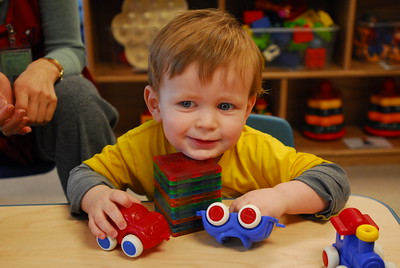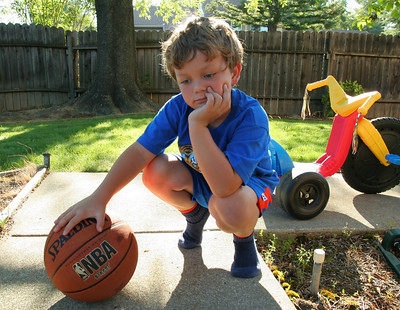
Would you like to raise a patient child? (Wait…is that an oxymoron?) They say that patience is a virtue, but it's a virtue that is hard for adults, let alone preschoolers. But waiting is a part of life, so we need to help our children learn to cope with it.
An important first step is to set realistic expectations. It is easier for children to wait if they are expecting to wait. Set a timer where they can see it, and tell them, "We'll go to Katie's house/ have dinner/ play together in 10 minutes, when the timer beeps."
Let them know what's coming next. Children get much more antsy when they don't know what is going to happen. One important note: make sure you tell them in the order it will be happening. (Say, "First we'll have a nap, then we'll go to the park," instead of "We'll go to the park after nap.") Kids' brains understand sequence in the order they hear it—it's difficult for them to process verbal cues like "before this" or "after that."
 Have you ever wondered how to teach your child to follow directions without it turning into a power struggle? The key is to focus on following directions as a skill that children can learn gradually in the same fun ways that they can learn their colors or to tie their shoes.
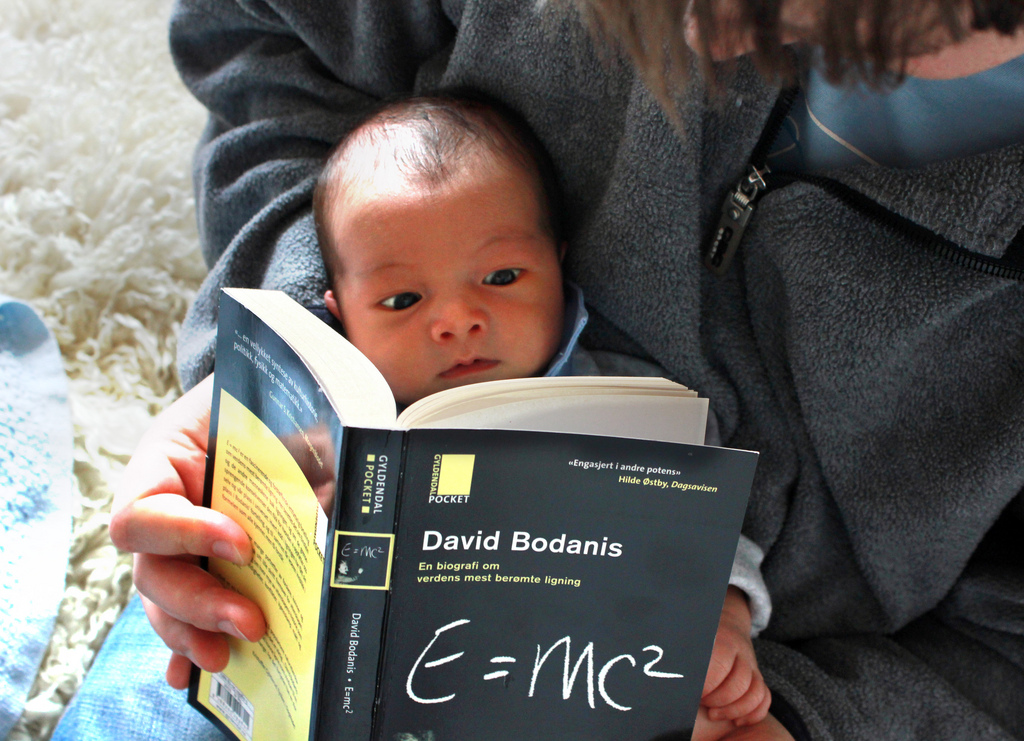 You've heard that reading to your children is important for their eventual success in school and in life. But your preschooler just won't sit still to listen to you read!